


Ebrei Per Le Pen Président
Two small and vulnerable communities, one constituting about 1 percent of the population and the other about 10 percent, are the fulcrum of the 2007 French presidential elections. The Jews and Muslims in France have fulfilled a decisive role in determining the political agenda for some 60 million French people.
First, the Jews were hit. In the fall of 2000, when the Muslims began to avenge the damage done to their Palestinian brethren in the territories, the lives of the Jews of France changed. Within months, hundreds of attacks on Jews and Jewish institutions were reported. Community leaders raised the alarm, but the French government dismissed the events as incidents perpetrated by criminals or delinquent youths.
The socialist government headed by Prime Minister Lionel Jospin deciphered the new reality, but feared sparking a communal and ethnic conflagration that would set fire to the republic. Thus, only rarely did government spokesmen mention the ethnic origin of the perpetrators or their victims. Only when synagogues and schools were hit was their link to Judaism mentioned. Only when Jews took to the streets and demanded that their country protect them, waving the flag of Israel alongside the French flag, did France concede that this was a new wave of anti-Semitism. In the past it had taken a Christian form; this time, it was described as Muslim anti-Semitism.
Seven years later, the all-clear can be sounded. Attacks do continue, but they are much less severe. Here and there curses, here and there shoving, here and there slogans on walls. The murder of Ilan Halimi a year ago was considered the height of the anti-Jewish campaign that began in the fall of 2000. These seven years have shaped the new politics of France’s Jews. Real fears have grown strong sometimes to the point of exaggeration and have caused the Jews to prefer a right-wing to a left-wing candidate.
It is almost certain the extreme right headed by Jean-Marie Le Pen will benefit from the terror that has settled in the hearts of the Jews. In the past, Jews did not vote for Le Pen because they saw him as a racist and a xenophobe. As long as they felt protected, they condemned him and his opinions. But in light of their feeling that the state has abandoned them, some see him as a worthy address.
While the state has not admitted to the growth of extremist elements in the Muslim community, Le Pen more forcefully emphasizes his well-known opinions: Muslims, or most Muslims, should go back to their countries of origin. The enemy of my enemy has suddenly become a friend. A Jewish doctor in this picturesque town said a few days ago that many of his friends intended to vote for Le Pen. “Of course, because he is the best for the Jews of France,” he said. A friend of his, an economics professor who took part in the conversation, conceded that although things had improved, most of the Jews of Aix-en-Provence would vote either for the right-wing candidate Nicolas Sarkozy or Le Pen. “I have a feeling that Le Pen will do very well in the coming elections,” he said.
In the last elections, in 2002, Le Pen got most of the votes in the mixed cities, where veteran French people live alongside Muslim immigrants. Sarkozy, the leading candidate, is for this reason trying with all his might to pull votes that have already leaked into Le Pen’s camp. Segolene Royal, the left-wing candidate, knows that hundreds of thousands of votes have gone to the margins, pursued by fears and insecurity.
To a great extent it is the Jews of France who have marked out the new path the 2007 election is taking. True, in the election campaign everybody is talking about the economy, unemployment, education, allocations to the weak, the level of universities, the need for increased military power, France’s place in Europe and its relationship with the United States; but floating above all these important issues is the question of France’s identity.
In what country do they want to live and how France will look in the future are two of the questions that the French voters are placing before their candidates. Who would have thought that France, too, would become entrapped by the politics of identities and would not be able to extricate itself from them. One hundred and two years after religion and state were separated and a way of life instituted that erases identities, France finds itself struggling over what is left of the republican revolution. On this level, not only the Jews have fulfilled a significant role since the fall of 2000, but so have the Muslims, since the riots of the fall of 2005.
Original article
TRADOTTO CON GOOGLE
Due piccoli e le Comunità vulnerabili, una che costituiscono circa 1 per cento della popolazione e l'altra circa 10 per cento, sono il fulcro delle 2007 elezioni presidenziali francesi. Gli ebrei ed i musulmani in Francia hanno compiuto un ruolo decisivo nella determinazione dell'ordine del giorno politico per circa 60 milione genti francesi. In primo luogo, gli ebrei sono stati colpiti. Nell'autunno di 2000, quando i musulmani hanno cominciato a avenge il danneggiamento fatto dei loro fratelli palestinesi nei territori, le vite degli ebrei della Francia sono cambiato. Entro i mesi, le centinaia degli attacchi agli ebrei e le istituzioni ebree sono state segnalate. I capi della Comunità hanno dato l'allarme, ma il governo francese ha allontanato gli eventi come avvenimenti perpetrated dai criminali o dalle gioventù del delinquente. Il governo socialista dirige dal Primo Ministro Lionel che Jospin ha decifrato la nuova realtà, ma ha temuto scintillare una conflagrazione comunale ed etnica che regolerebbe il fuoco alla repubblica. Ha fatto quindi, soltanto raramente i portavoci di governo accennano l'origine etnica dei perpetrators o delle loro vittime. Soltanto quando gli synagogues e le scuole sono stati colpiti era il loro collegamento a Judaism accennato. Soltanto quando gli ebrei hanno preso alle vie ed hanno richiesto che il loro paese le protegge, fluttuando la bandierina dell'Israele accanto alla bandierina francese, ha fatto la Francia concedono che questa era una nuova onda del anti-Semitism. Nel passato aveva preso una forma cristiana; questa volta, è stata descritta come anti-Semitism musulmano. Sette anni più successivamente, il tutto-libero può essere suonato. Gli attacchi continuano, ma sono molto meno severi. Qui e là curses, qui e là spingendo, qui e là slogan sulle pareti. L'omicidio di Ilan Halimi un anno fa è stato considerato l'altezza della campagna anti-Ebrea che ha cominciato nell'autunno di 2000. Questi sette anni hanno modellato la nuova politica degli ebrei della Francia. I timori reali si sono sviluppati a volte forti al punto dell'esagerazione ed hanno indotto gli ebrei a preferire un della destra ad un candidato left-wing. È quasi determinata la destra estrema diretta da Jean-Marie Le Pen trarrà beneficio dal terrore che si è depositato nei cuori degli ebrei. Nel passato, gli ebrei non hanno votato per Le Pen perché lo hanno visto come un razzista e xenophobe. Finchè hanno ritenuto protetti, hanno condannato lui ed i suoi pareri. Ma alla luce della loro sensibilità che il dichiarare le ha abbandonate, alcuni lo vedono come indirizzo degno. Mentre il dichiarare non ha ammesso allo sviluppo degli elementi estremisti nella Comunità musulmana, Le Pen più validamente dà risalto ai suoi pareri ben noti: I musulmani, o la maggior parte dei musulmani, dovrebbero andare di nuovo ai loro p#si d'origine. Il nemico del mio nemico è diventato improvvisamente un amico. Un medico ebreo in questa città picturesque detta alcuni giorni fa quello molti dei suoi amici ha inteso votare per Le Pen. “Naturalmente, perché è il la cosa migliore per gli ebrei della Francia,„ ha detto. Un amico di suo, un professore di economia che ha partecipato alla conversazione, concesso che anche se le cose avevano migliorato, la maggior parte degli ebrei di Aix-en-Provence voterebbero per il candidato della destra Nicolas Sarkozy o Le Pen. “Ho una sensibilità che Le Pen farà molto bene nelle elezioni venenti,„ lui ho detto. Nelle ultime elezioni, in 2002, Le Pen ha ottenuto la maggior parte dei voti nelle città mixed, in cui la gente francese del veterano vive accanto agli immigranti musulmani. Sarkozy, il candidato principale, per questo motivo sta provando con il tutto suo potrebbe tirare i voti che già hanno fuoriuscito nell'accampamento del Le Pen. Segolene reale, il candidato left-wing, sa che le centinaia delle migliaia dei voti sono andato ai margini, perseguiti attraverso i timori e l'insicurezza. In misura grande è gli ebrei della Francia che hanno contrassegnato fuori il nuovo percorso che l'elezione 2007 sta prendendo. Allineare, nella campagna elettorale ognuno sta parlando dell'economia, della disoccupazione, della formazione, delle ripartizioni al debole, del livello delle università, dell'esigenza di alimentazione militare aumentata, del posto della Francia in Europa e del relativo rapporto con gli Stati Uniti; ma fare galleggiare soprattutto queste edizioni importanti è la domanda dell'identità della Francia. In che paese desidera vivere e come la Francia osserverà in avvenire sono due delle domande che gli elettori francesi stanno disponendo prima dei loro candidati. Chi avrebbe pensato che la Francia, anche, sarebbe intrappolato dalla politica delle identità e non potrebbe extricate da loro. Cento due anni dopo che la religione e dichiari è stata separata e un modo di vivere ha istituito che cancella le identità, la Francia si scopre che lotta sopra ciò che resta della rivoluzione repubblicana. A questo livello, non solo gli ebrei hanno compiuto un ruolo significativo poiché la caduta di 2000, ma così ha i musulmani, poiché i tumulti della caduta di 2005. Articolo originale
Tratto da www.amren.com
Prima gli ebrei francesi erano ostili a Le Pen solo perché razzista e xenofobo, adesso molti di loro hanno deciso di votare per lui perché lo ritengono una garanzia per contrastare gli islamici. Un altro candidato per cui voterebbero sarebbe il filosionista Nicolas Sarkozy.
Risultati da 1 a 10 di 95
-
04-04-07, 02:40 #1Sangue contro oro


- Data Registrazione
- 18 Jan 2007
- Località
- Afghanistan
- Messaggi
- 975
-

- 0
-

- 2
- Mentioned
- 0 Post(s)
- Tagged
- 0 Thread(s)
 Dx radicale anti-islamica e Giudei: affinità elettive ?
-
04-04-07, 02:43 #2ribelle88Ospite
Quindi?
Che vorresti dire?
La tua conclusione?
-
04-04-07, 02:54 #3Sangue contro oro
- Data Registrazione
- 18 Jan 2007
- Località
- Afghanistan
- Messaggi
- 975
-
- 0
-
- 2
- Mentioned
- 0 Post(s)
- Tagged
- 0 Thread(s)
Che la Dx radicale dovrebbe cambiare radicalmente rotta:collaborazione con i settori islamici rivoluzionari,eversivi e antimondialisti in chiave tradizionalista e antigiudaica. Hitler era idealmente filo-islamico e l'ha dimostrato coi fatti infinite volte appoggiando il Gran mufti di Gerusalemme e la resistenza arabo-islamica in funzione antisionista,antisovietica e antibritannica ed elogiando l'Islam Tradizionale assieme a Himmler, Hess, Johan von Leers,ecc. Insomma dovrebbe fare quello che fa il Campo Antiimperialista,che viene da una tradizione antifascista eppure fa le cose che dovremmo fare per primi noi fascisti,essendo i nostri nobili intenti e la nostra visione del mondo tradizionalista simili a quelli degli islamici.I comunisti dovrebbero stare con la Brigata Ebraica il 25 aprile,ma tant'è...Noi invece siamo un fallimento ideologico e politico. Originariamente Scritto da ribelle88

-
04-04-07, 03:01 #4ribelle88Ospite
Hitler era filo-islamico?Ah si?Questa è nuova.... Originariamente Scritto da goodbye_cat
Ti consiglio la lettura di un libro...MEIN KAMPF...
Come per magia scoprirai che Hitler non era filo qualcosa....
Semplicemente era certo della superiorità della Razza Ariana che di certo non comprende quella islamica.....
Come per magia scoprirai che dedica un intero capitolo a quali Paesi poteva allearsi la Germania in una futura guerra....(sarebbero state alleanze di comodo)...
.....Non continuo altrimenti ti rovino la lettura.....
NE USA NE ISLAM!
-
04-04-07, 03:06 #5Sangue contro oro
- Data Registrazione
- 18 Jan 2007
- Località
- Afghanistan
- Messaggi
- 975
-
- 0
-
- 2
- Mentioned
- 0 Post(s)
- Tagged
- 0 Thread(s)
Originariamente Scritto da ribelle88
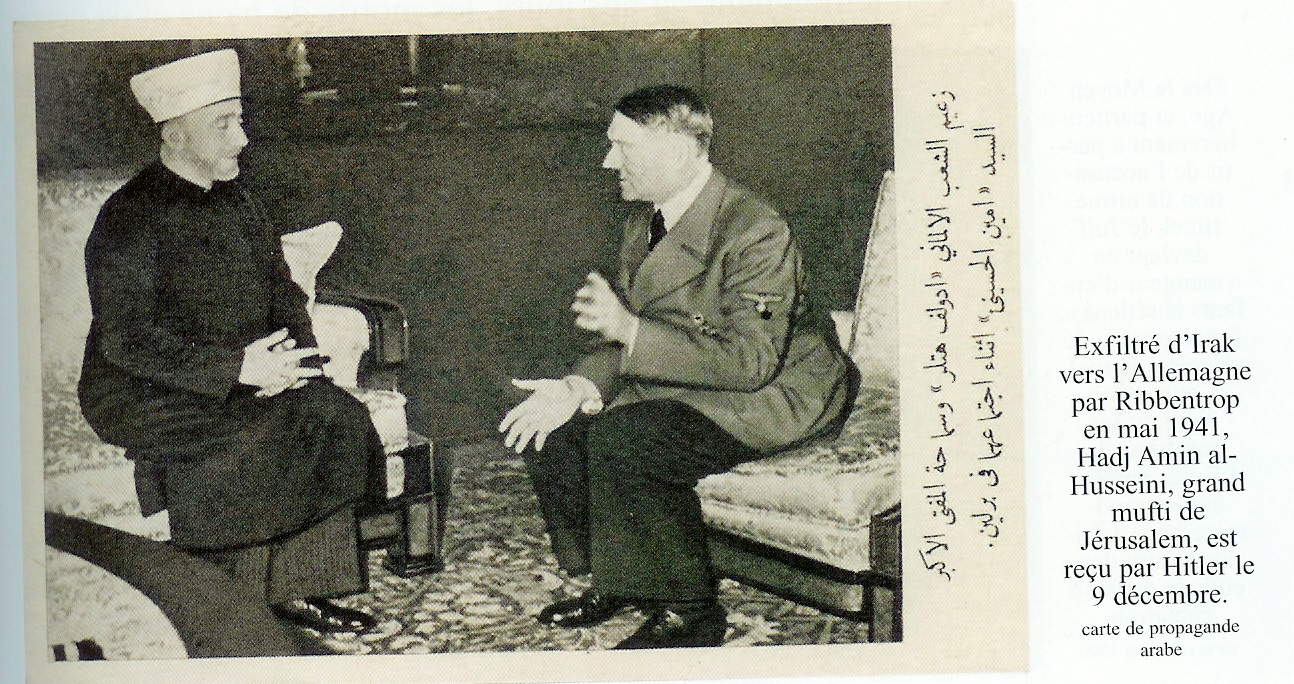
Sai dirmi chi sono?!
-
04-04-07, 03:07 #6Sangue contro oro
- Data Registrazione
- 18 Jan 2007
- Località
- Afghanistan
- Messaggi
- 975
-
- 0
-
- 2
- Mentioned
- 0 Post(s)
- Tagged
- 0 Thread(s)
Citazioni
"L'Islám e l'Europa sono due mondi destinati ad incontrarsi; entrambi infatti hanno in comune alcuni valori fondamentali da difendere e hanno a che fare con gli stessi nemici: il razionalismo e il materialismo, l'oscurantismo democratico, l'ateismo marxista e capitalista, l'azione del sionista sfruttatore"-Adolf Hitler
"L'epoca araba fu l'epoca d'oro della Spagna", "La civiltà è stata uno degli elementi costitutivi della potenza dell'Impero Romano. Lo stesso accadde in Spagna, sotto la dominazione degli Arabi. La civiltà vi raggiunse un livello che di rado ha raggiunto. Un'epoca, indiscutibilmente, di umanesimo integrale, nella quale regnò il più puro spirito cavalleresco. Lo spirito cavalleresco dei Castigliani è in effetti un'eredità degli Arabi"-Adolf Hitler
"Se a Poitiers Carlo Martello fosse stato sconfitto, il mondo avrebbe cambiato faccia. Poiché il mondo era già condannato all'influenza giudaica, meglio sarebbe stato se avesse trionfato l'Islam".-Adolf Hitler
"Hitler è indubbio, aveva un debole per la religione musulmana.. Nella religione musulmana Hitler trovava più poesia e tolleranza che in certo settarismo cristiano. Aveva ricevuto in amicizia il Gran Muftì di Gerusalemme, una sorta di papa per i musulmani, un uomo potente, amabile, dai capelli chiari e gli occhi blu come un germano. Del resto c'era molto sangue germanico nel mondo arabo, dai Berberi del Maghreb fino a Ataturk. Il Gran Muftì ed io avremmo passato a Salzburg, nel giugno del '44, tre giorni a discutere dell'avvenire dei popoli. Il mondo musulmano era allora molto vicino a noi, quasi fraternamente", "Mai, dunque, il mondo musulmano avrebbe avuto in Hitler un rivale, e tanto meno un conquistatore". -Léon Degrelle
-
04-04-07, 03:09 #7ribelle88Ospite
Sai dirmi il nesso tra una foto e un'ideologia? Originariamente Scritto da goodbye_cat
Ti consiglio vivamente di smettere di comprare libri con solo foto.... e iniziare a comprare quelli con dei testi...magari inizia con quelli con foto e qualche didascalia.....per iniziare sono utili.....
-
04-04-07, 03:11 #8ribelle88Ospite
Appunto....ALLEANZA DI COMODO Originariamente Scritto da goodbye_cat
-
04-04-07, 03:12 #9ribelle88Ospite
Il male peggiore...... Originariamente Scritto da goodbye_cat
-
04-04-07, 03:17 #10Bieco reazionario colonialista

- Data Registrazione
- 13 Feb 2007
- Località
- Eurosiberia - Il futuro appartiene a noi.
- Messaggi
- 4,610
-
- 0
-
- 0
- Mentioned
- 0 Post(s)
- Tagged
- 0 Thread(s)
Meglio i giudei che gli islamici.
carlomartello

 Rispondi Citando
 ollaborazione con i settori islamici rivoluzionari,eversivi e antimondialisti in chiave tradizionalista e antigiudaica. Hitler era idealmente filo-islamico e l'ha dimostrato coi fatti infinite volte appoggiando il Gran mufti di Gerusalemme e la resistenza arabo-islamica in funzione antisionista,antisovietica e antibritannica ed elogiando l'Islam Tradizionale assieme a Himmler, Hess, Johan von Leers,ecc. Insomma dovrebbe fare quello che fa il Campo Antiimperialista,che viene da una tradizione antifascista eppure fa le cose che dovremmo fare per primi noi fascisti,essendo i nostri nobili intenti e la nostra visione del mondo tradizionalista simili a quelli degli islamici.I comunisti dovrebbero stare con la Brigata Ebraica il 25 aprile,ma tant'è...Noi invece siamo un fallimento ideologico e politico.
Discussioni Simili
-
Affinità Elettive
Di Regina di Coppe nel forum Il Seggio ElettoraleRisposte: 40Ultimo Messaggio: 09-11-12, 12:04 -
Affinita' elettive
Di tolomeo nel forum L'OsteriaRisposte: 19Ultimo Messaggio: 06-04-10, 21:28 -
Le affinità elettive
Di Xeristar nel forum Politica NazionaleRisposte: 2Ultimo Messaggio: 26-03-08, 19:36 -
Affinità elettive?
Di VecchioMissino nel forum Centrodestra ItalianoRisposte: 0Ultimo Messaggio: 21-02-08, 17:10 -
Affinità elettive tra Sapiens e Neanderthal
Di Muntzer (POL) nel forum Comunismo e ComunitàRisposte: 1Ultimo Messaggio: 14-02-07, 14:59
 Permessi di Scrittura
Powered by vBulletin® Version 4.2.5
Copyright © 2026 vBulletin Solutions Inc. All rights reserved.
Change privacy settings
Copyright © 2026 vBulletin Solutions Inc. All rights reserved.
Change privacy settings
Tutti gli orari sono GMT +2. Adesso sono le 01:21.
